The Internet. What on Earth is it? Let’s break it down.
Picture it as a massive, invisible web connecting people all over the globe. It’s not magic—though it might feel that way at first.
At its heart, the Internet is simply a vast network of computers that share information. It’s like having a group of very chatty machines passing notes at high speed — sending emails, loading websites, sharing videos and much more.
If you’ve ever felt unsure about what the Internet actually is, you’re not alone — and you’re not too late to understand it.
A Very Brief History Of The Internet: From Wires to Websites
Back in the 1960s, researchers and the military wanted a way to let computers talk to each other across long distances. They created ARPANET — a sturdy, basic version of what we now call the Internet.
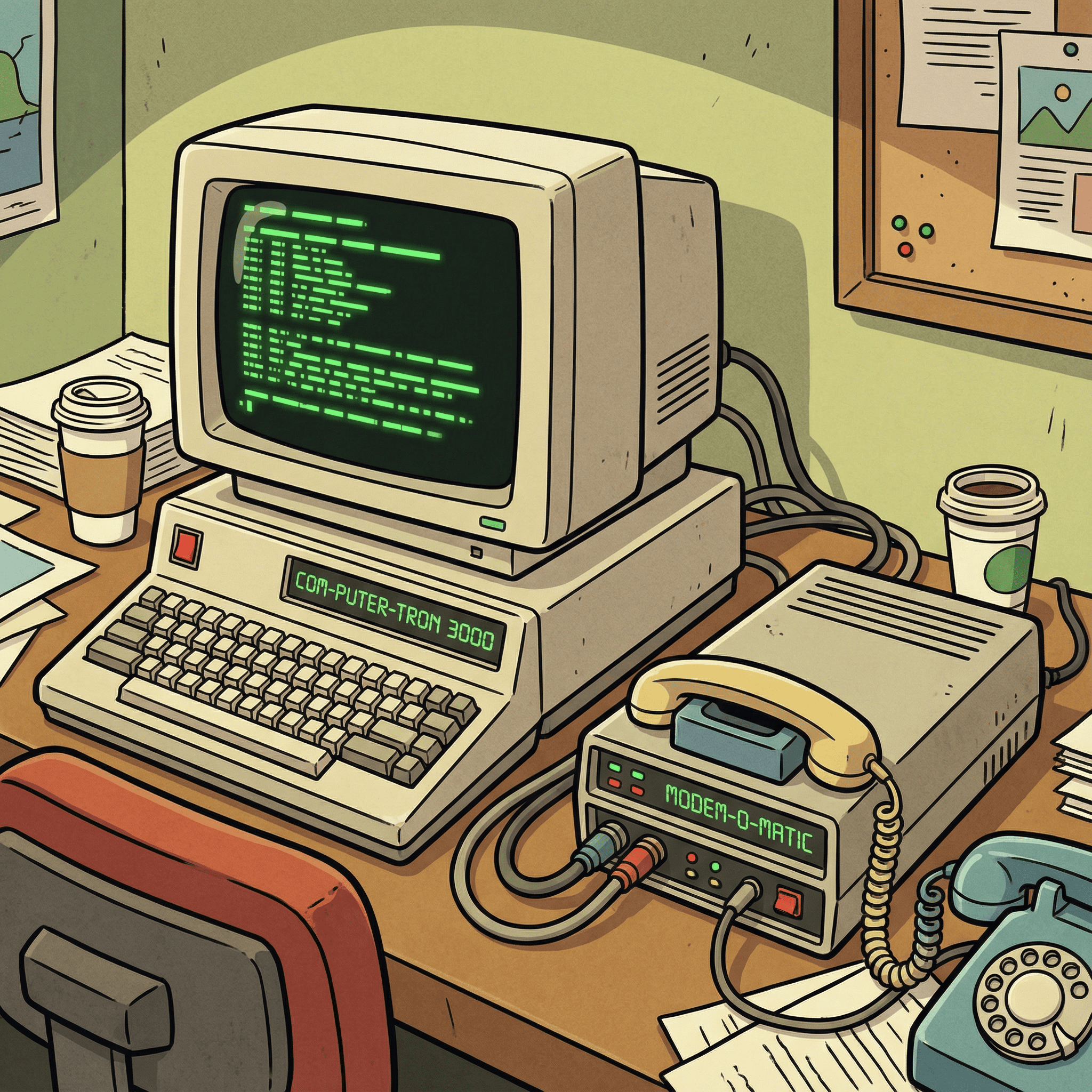
Fast forward to 1989, and Tim Berners-Lee invented the World Wide Web, which made the Internet more accessible to everyday users. Suddenly, it wasn’t just scientists passing files around. All of a sudden it became possible for you to click, search, and browse — and the rest is history.
So, when we ask “what is the internet?” we’re also asking: how did it become the tool we rely on for everything from finding recipes to running businesses?
How the Internet Works (Without the Jargon)
What happens when you type in a website and hit ‘Enter’?
Think of your device (laptop, tablet, or phone) as a client asking a question. That question gets sent to a server — a big, powerful computer somewhere in the world — which sends back the answer in the form of a website, video, or email.
This whole journey happens in seconds, thanks to:
-
Routers – digital traffic controllers
-
IP Addresses – like postal addresses for your device
-
Protocols – rules that help computers understand each other
It’s a bit like sending a postcard — only it arrives almost instantly, even if it travelled halfway around the world.
And if you’ve heard the word broadband — that just means a fast, always-on internet connection (no dial-up tones needed!).
What Is the Internet Used For Today?
Most people don’t ask “what is the internet?” because they want technical details.
They ask it because they want to understand what it’s for — and how it can help them.
Here are just a few ways the Internet supports everyday life:
-
Learning – access to courses, videos, and how-to guides
-
Shopping – from groceries to gifts, without leaving home
-
Communication – emails, video calls, and instant messaging
-
Entertainment – streaming music, shows, and films
-
Services – banking, healthcare, bookings, and more.

You don’t need to master all of this at once. Just knowing the possibilities is enough to spark curiosity — and maybe even motivation.
What Is the Internet Doing to Our World?
The Internet has quietly transformed almost everything:
-
Retail has shifted online
-
Education has moved into the home
-
Relationships can thrive across oceans
-
Culture, language, and ideas are shared more freely than ever before
This isn’t just about convenience. It’s about access. The Internet gives people the chance to learn, connect, and even start businesses — often for free.
If you’ve felt unsure about stepping into the digital world, just know: it’s meant for people like you. You belong here, and you don’t have to be techy to benefit from it.
More To Explore
If you’d like to find out more about the uses of the internet, these links may help.
These are safe, calm resources written with beginners in mind.
And Finally…
What surprised you most about the Internet? Was there a moment it finally “clicked” for you? Or maybe you’re still unsure about how to use it confidently?
Feel free to share in the comments, or reply to this post — I’d love to hear your thoughts, questions, or even frustrations.
No question is too small here. We’re all learning, step by step.
Here’s a little transparency: My website contains affiliate links. This means if you click and make a purchase, I may receive a small commission. Don’t worry, there’s no extra cost to you. It’s a simple way you can support my mission to bring you quality content.